Old Town is San Diego's original settlement and today mostly a historic and visitor district, with a limited number of homes on the slopes and side streets. Low sales volume, design rules and freeway and river locations mean comparable sales often have to come from nearby neighborhoods with careful adjustment.
The Old Town market
Old Town sits at the base of Presidio Hill where the San Diego River valley meets the bay plain, bounded largely by Interstate 5 and Interstate 8. Old Town San Diego State Historic Park, Heritage Park and the shops along San Diego Avenue and Juan Street draw steady crowds, and the Old Town Transit Center connects the trolley, Coaster and buses. Residential property is a small share of the area: condominiums and townhomes, a few apartment complexes and a scattering of older houses on the hillside toward Mission Hills. Community plan design standards limit building height and require architecture that fits the historic setting. For an appraiser, the challenge is the small number of sales. Most assignments need comparables from Mission Hills, Morena or the Midway area, adjusted for location and building type.
How Old Town took shape
Spanish soldiers and missionaries built a presidio and mission on Presidio Hill in 1769, and a town grew below it in the 1820s under Mexican rule. Old Town remained the center of San Diego through the early American period, until Alonzo Horton's New Town drew business to the bay after 1867 and a fire in 1872 destroyed much of Old Town. The area became a quiet residential district, and the state created Old Town San Diego State Historic Park in 1968.
Homes and housing stock
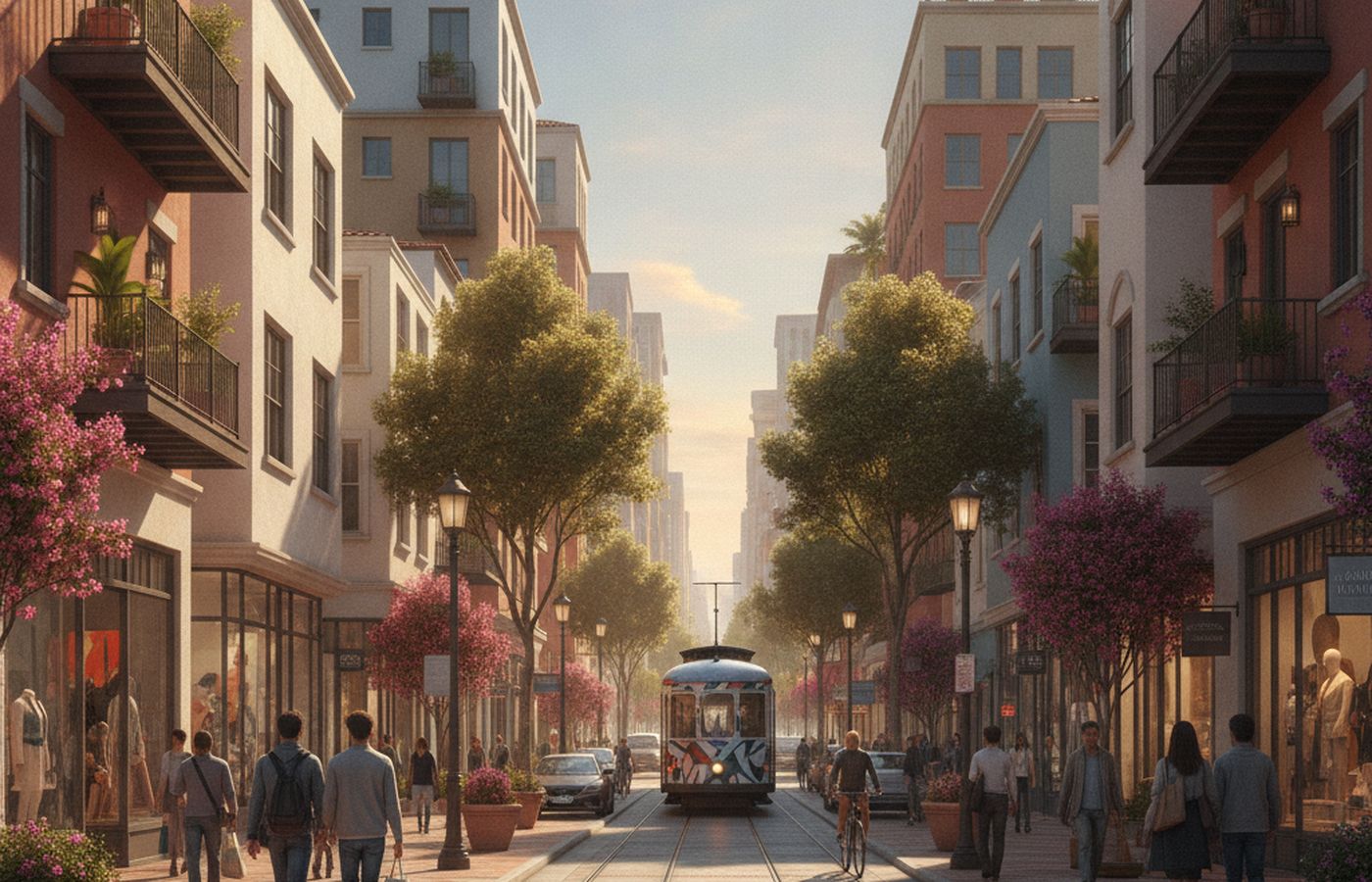
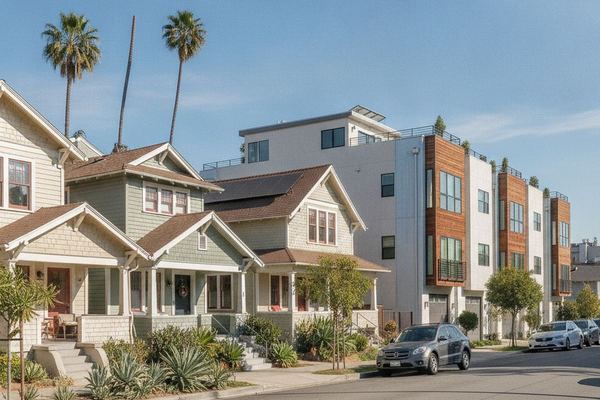
Housing is limited and varied. There are condominium and townhome complexes from the 1970s onward, several apartment complexes near Taylor Street and the transit center, and a few older single-family homes and small multi-unit buildings on the hillside streets leading toward Mission Hills. New buildings follow design guidelines that favor Spanish and early Californian styles and low heights. Units are generally one to three bedrooms, often with attached garages in the townhome projects. Single-family homes are rare and often sit on sloped lots with views of the bay or the river valley.
Pockets and enclaves
San Diego Avenue corridorJuan Street hillsideHeritage ParkTaylor Street and Old Town Transit CenterCongress Street blocksPresidio Hill slopes
Local landmarks
- Old Town San Diego State Historic Park
- Presidio Park and Serra Museum
- Heritage Park Victorian Village
- Whaley House
- Old Town Transit Center
- Presidio Hills Golf Course
What moves values in Old Town
Limited sales
Few homes sell in Old Town each year, so comparables often come from Mission Hills, Morena or the Midway area. Location adjustments are supported with paired sales when possible.
Historic design rules
Community plan design standards and height limits affect what can be built or changed. These limits are considered when an appraisal involves land or redevelopment potential.
Freeway and rail noise
I-5, I-8, the trolley and the Coaster all pass through or near Old Town. Units close to them are compared with similarly exposed sales.
Flood zone near the river
Lower areas near the San Diego River can fall in mapped flood hazard areas, which affects insurance costs. Flood maps are checked for each property.
Tourist activity
Visitor traffic, parking demand and event noise affect homes near San Diego Avenue more than homes on the hillside. The appraisal accounts for that difference.
Appraisal assignments here
Estate and trust appraisals arise for the few long-held houses on the hillside and for condos owned by retirees. Divorce and partnership cases often involve condos or small rentals near the transit center. Because sales are so few, pre-sale and pre-purchase appraisals are useful to establish a supported price. Litigation and expert-witness work can involve historic-district limits or river-area flood issues.
Old Town appraisal questions
Where do comparables come from when Old Town has so few sales?
Brian Ward first looks for sales in Old Town itself over a longer period, then expands to Mission Hills, Morena and the Midway area. He adjusts for location, view, noise and building type, and explains in the report why each comparable was chosen and how the differences were measured.
Do Old Town's historic design rules affect home values?
They mainly affect redevelopment and major changes. For an existing condo or house, the rules preserve the area's character but limit additions and new building height. When land value or redevelopment potential matters, the appraisal considers what the community plan allows.
Nearby
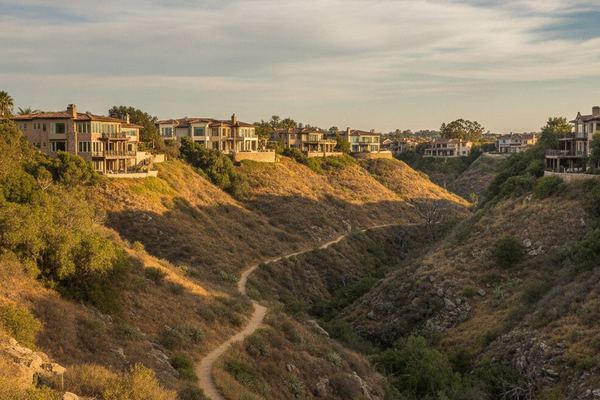
Mission Hills
Historic hillside homes above the bay and Old Town
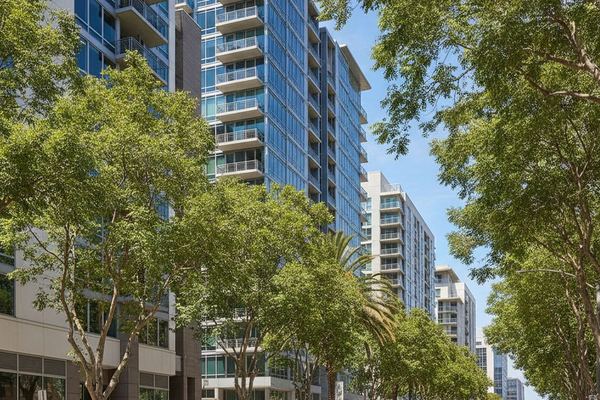
Mission Valley
River floodplain turned San Diego's condo and retail corridor
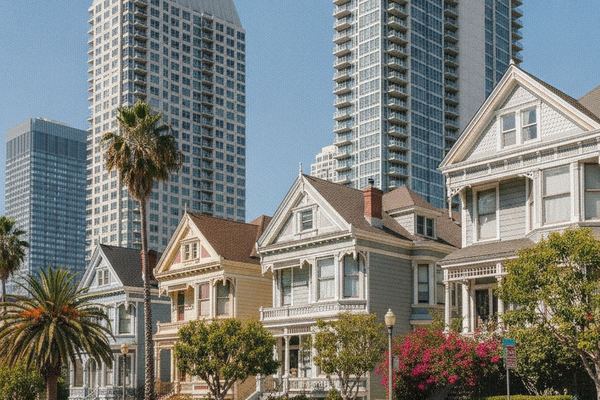
Loma Portal
Spanish Revival streets under the airport flight path
Morena
Trolley-served flats and hillsides between Mission Bay and USD
Little Italy
Old fishing quarter turned dense urban village