Mission Valley follows the San Diego River between Old Town and the eastern mesas, and most of what people own here is a condominium or townhome rather than a house. Two units a few hundred yards apart can sit in different flood designations, different decades of construction and very different association budgets, which is why sales here cannot be compared on square footage alone.
The Mission Valley market
The valley floor follows Interstate 8, with Fashion Valley, Westfield Mission Valley and Hazard Center on the north side and the Hotel Circle strip at the western end. People here mostly live in attached buildings: 1970s and 1980s garden apartments and condos, 2000s mid-rises, and Civita, which climbs the former quarry slope toward Serra Mesa. Green Line trolley stops link residents with downtown and with Snapdragon Stadium, where SDSU Mission Valley replaced the old Qualcomm site with a river park and campus buildings. Nearly every sale is a condominium or townhome, so the best comparables tend to come from the same complex or a sibling project, and the analysis hinges on floor, exposure, parking and the association's reserves.
How Mission Valley took shape
Mission San Diego de Alcala moved to the head of the valley in 1774, and for the next century and a half the floodplain was used for grazing, dairies and sand and gravel extraction. Interstate 8 and Hotel Circle arrived in the 1950s and 1960s, followed by Mission Valley Center, Fashion Valley and the 1967 stadium. Condominium construction picked up in the 1970s. The 2019 community plan update and the redevelopment of the stadium property and the Riverwalk golf course have pushed the valley toward denser, mixed-use housing near the trolley.
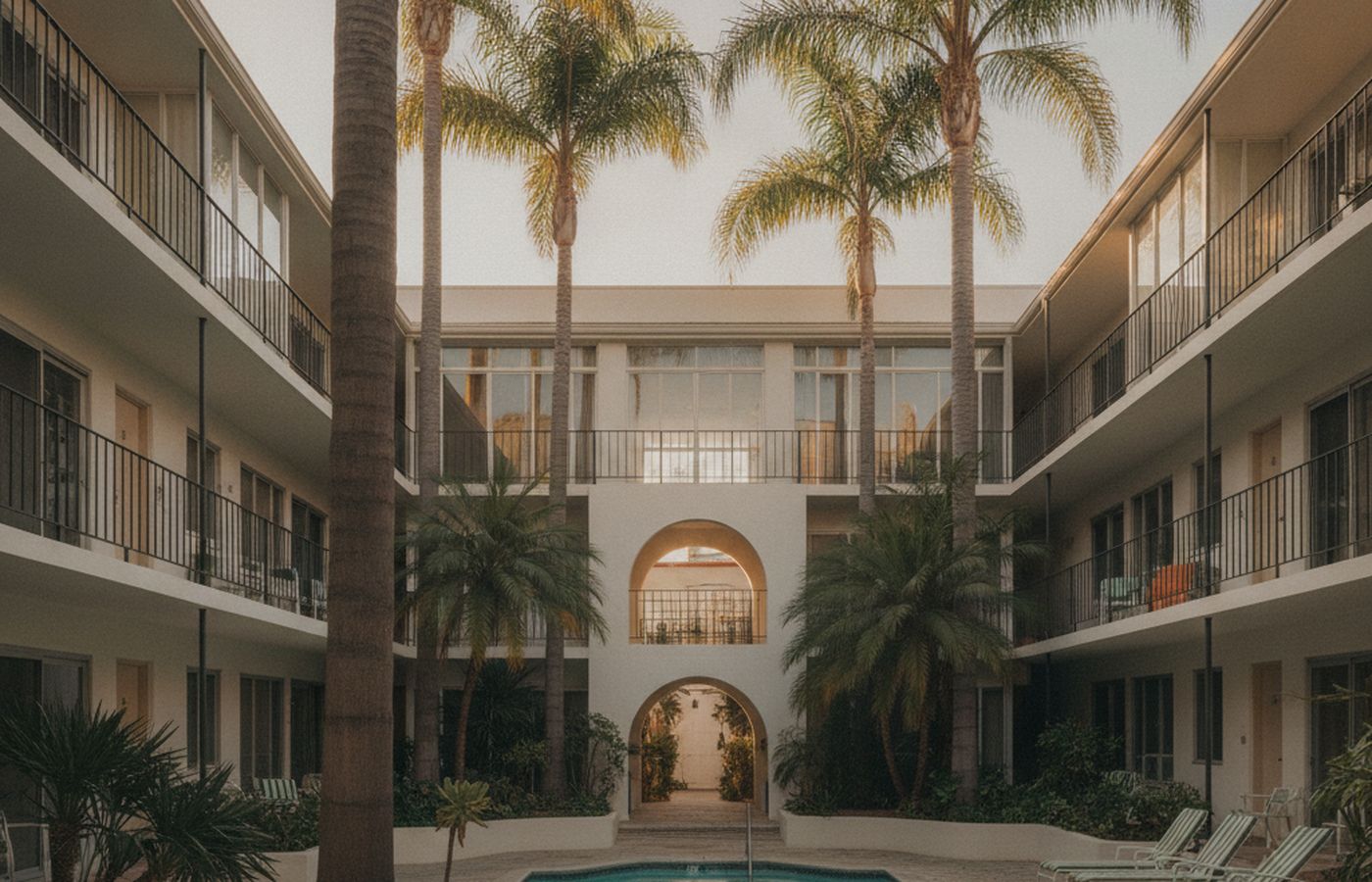
Homes and housing stock
Attached housing dominates. The older stock is two- and three-story wood-frame complexes with pools, carports and one- or two-bedroom flats in the 700 to 1,200 square foot range. Concrete and steel mid-rises with podium parking followed in the 2000s near Hazard Center and along Camino del Rio. Civita adds a range of product from rowhomes to podium condos, much of it built after 2012, with its own association structure and assessments. Detached houses are rare and mostly found where the valley meets the mesas. Many complexes allow rentals, so investor ownership is common, and unit mix inside a single project can range from studios to three-bedroom townhomes with attached garages.
Pockets and enclaves
CivitaHazard CenterHotel CircleFashion ValleyRio Vista WestRiverwalkSDSU Mission Valley
Local landmarks
- San Diego River
- Mission San Diego de Alcala
- Fashion Valley
- Westfield Mission Valley
- Snapdragon Stadium and SDSU Mission Valley River Park
- Green Line trolley
What moves values in Mission Valley
San Diego River floodplain
Parts of the valley floor lie in FEMA special flood hazard areas, and a building's flood status affects insurance cost and buyer pool. Comparables are checked against the same flood designation.
Association health
Reserve studies, special assessments and pending litigation vary widely between complexes and directly affect what buyers will pay. Brian Ward reviews HOA documents when they are available.
Floor level and exposure
Upper floors facing the river or hillsides sell differently from ground-floor units facing parking or Interstate 8. Freeway and trolley noise is a real adjustment in some buildings.
Building age and construction
A 1970s wood-frame garden complex and a 2015 podium building are not interchangeable comparables, even when unit sizes match.
Civita fees and assessments
Units in Civita can carry master association dues plus special district assessments that older complexes do not, which shifts net cost of ownership.
Appraisal assignments here
Condo-heavy ownership makes Mission Valley a frequent source of estate and trust work, often for a parent's unit that was a downsizing purchase decades earlier. Divorce valuations are common because many couples hold a valley condo as a starter home or rental. Date-of-death and retrospective assignments often need careful selection of in-complex sales close to the effective date, and pre-sale appraisals help executors price units in buildings with few recent trades.
Mission Valley appraisal questions
Can a Mission Valley condo be appraised using sales from other complexes?
Yes, but in-complex sales are preferred because they share the same association, construction and location. When a building has had no recent sales, Brian Ward looks to similar complexes of the same era and construction type nearby, then adjusts for differences such as parking, amenities, HOA dues and flood status.
Does flood zone status matter for a non-lending appraisal?
It does, even without a lender involved. Flood designation affects insurance premiums and how many buyers are willing to purchase, and that shows up in prices. An estate, divorce or tax appraisal in the valley notes the unit's flood status and selects comparables that share it whenever the market data allows.
Nearby

Linda Vista
Wartime planned community on the mesa above Mission Valley
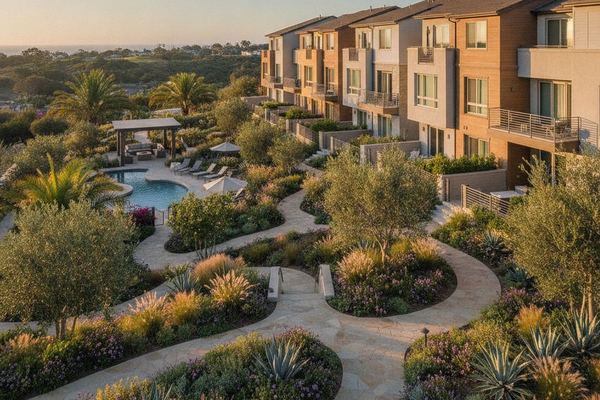
Serra Mesa
Compact 1950s mesa tracts above Mission Valley
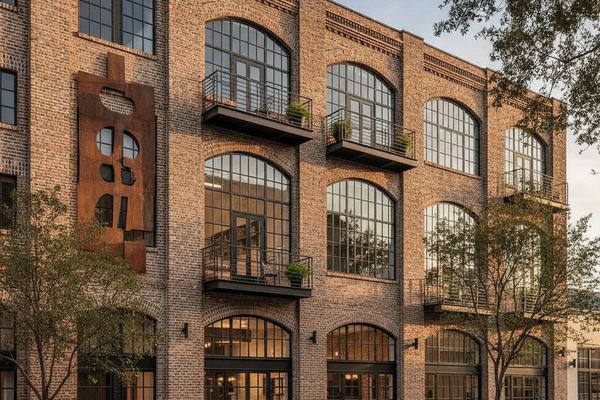
Old Town
Where the city began, below Presidio Hill
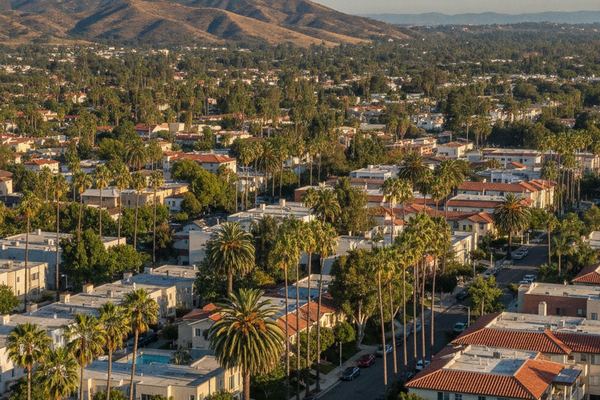
Hillcrest
Uptown's dense core of bungalows, courts and condos
Normal Heights
Adams Avenue bungalows on the Mission Valley rim
Grantville
Mission Gorge Road corridor reshaping around the trolley