Hillcrest centers on University Avenue and Fifth Avenue, under the neon Hillcrest sign, and has the densest mix of apartments, condos and small houses in Uptown. Values depend on building type, canyon-rim location, parking and nearby medical and commercial activity, so a nearby sale is not always a good comparable.
The Hillcrest market
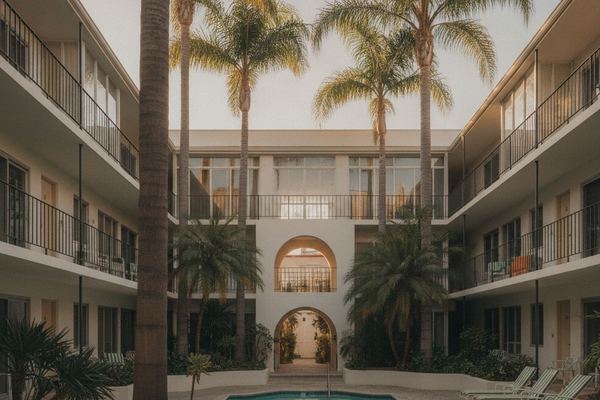
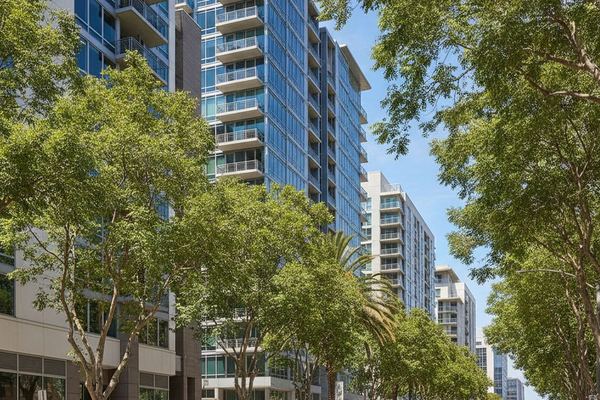
Hillcrest is one of San Diego's most established urban neighborhoods and the center of its LGBTQ community. The Sunday farmers market fills Normal Street, and University Avenue, Fifth Avenue and Washington Street carry most of the shops and restaurants. UC San Diego Medical Center and Scripps Mercy Hospital sit on the northern and western edges, which keeps demand steady from medical staff and students. Housing is mostly attached: older courtyard apartments, 1960s and 1970s buildings that were later converted to condominiums, and newer mid-rise projects on commercial corridors. Detached homes are mostly on the canyon streets toward Mission Hills and on the north rim above Mission Valley. Recent zoning changes along the transit corridors have encouraged larger buildings, so lots with redevelopment potential sometimes sell on land value.
How Hillcrest took shape
William Wesley Whitson subdivided Hillcrest in the early 1900s, and streetcar lines on University Avenue and Park Boulevard made it practical to commute to downtown. The Hillcrest sign went up over University Avenue in 1940. Commercial strips grew through the 1950s, and apartment construction surged in the 1960s and 1970s. Hillcrest became the center of San Diego's gay community in the 1970s and 1980s, and the Uptown District shopping center opened in 1989. Newer mid-rise housing has filled in along the corridors since the 2000s.
Homes and housing stock
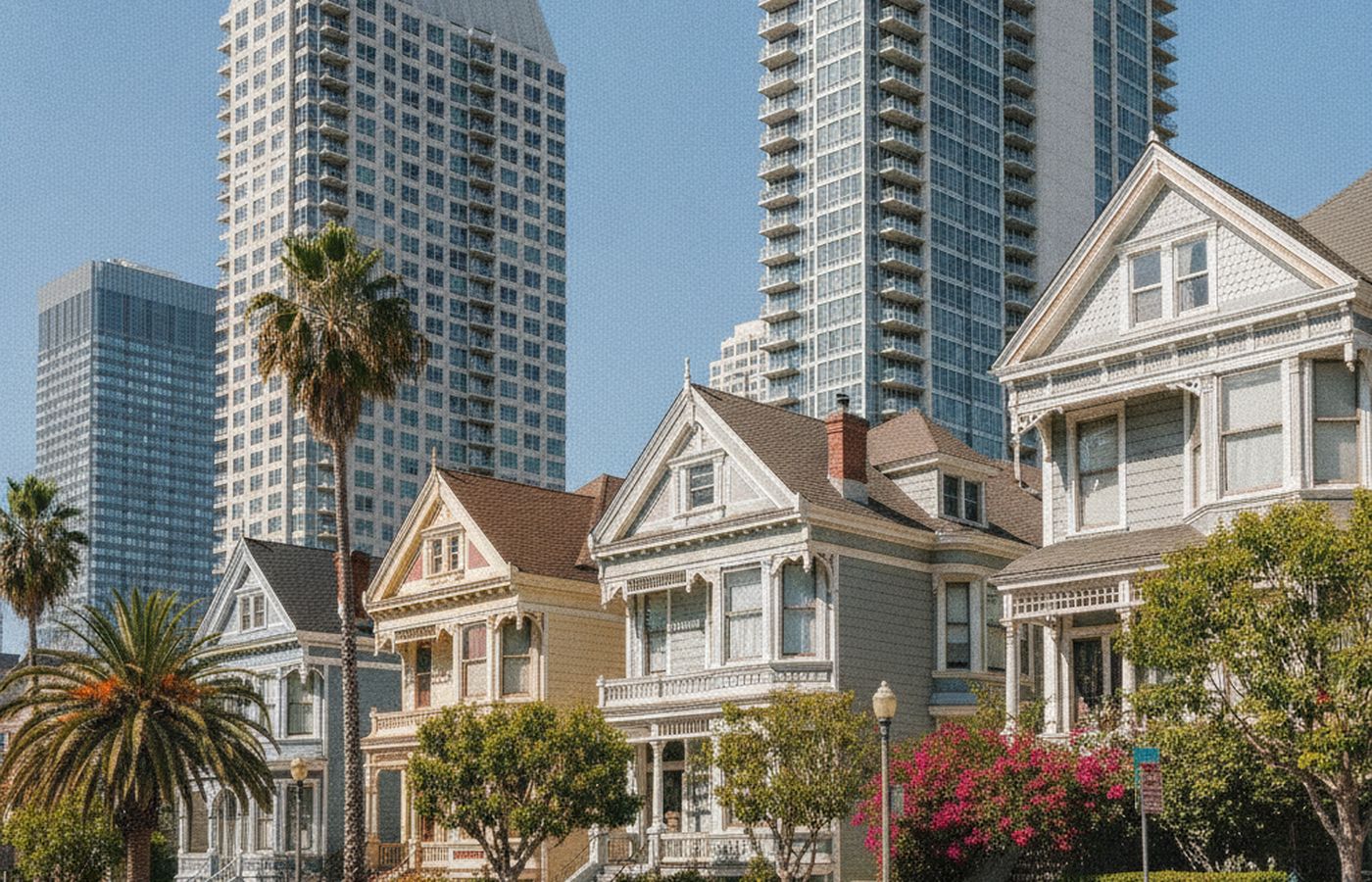
Single-family homes are mostly 1910s and 1920s Craftsman bungalows and Spanish Revival houses set on compact lots, many with a second unit added later. Bungalow courts and 1920s courtyard apartments are common, and many were converted to condominiums. The largest share of homes is in two- and three-story apartment buildings from the 1960s and 1970s, some of which are now condos with surface or tuck-under parking. Newer mid-rise buildings along Fifth Avenue, University Avenue and Washington Street add amenity-heavy condos and rentals. Typical condo units are one or two bedrooms, and detached homes are usually small with little parking.
Pockets and enclaves
University Avenue and Fifth Avenue coreNormal Street and Uptown DistrictMedical center rim near Arbor DriveRobinson and Pennsylvania Avenue blocksPark Boulevard edgeNorth rim above Mission Valley
Local landmarks
- Hillcrest sign
- Hillcrest Farmers Market
- UC San Diego Medical Center, Hillcrest
- Scripps Mercy Hospital
- Uptown District
- Vermont Street Bridge
What moves values in Hillcrest
Condo conversions
Many condos are former 1960s and 1970s apartments, with older systems and limited soundproofing. They are compared with similar conversions rather than with newer mid-rise units.
Parking
Street parking is scarce, so a garage or assigned space makes a noticeable difference in price. Parking is confirmed for each comparable rather than assumed.
Redevelopment potential
Recent upzoning near transit has made some older houses and small buildings valuable mainly for their land. Zoning and lot size are reviewed when a property may sell to a developer.
Canyon-rim locations
Homes on the north rim overlooking Mission Valley or on the canyon streets toward Mission Hills have views and privacy but may have steep lots. Those features are adjusted separately from interior lots.
Corridor noise
Units on University Avenue, Fifth Avenue or Washington Street get late-night activity and traffic. Paired sales with quieter streets show whether buyers discount for it.
Appraisal assignments here
Divorce and estate cases often involve Hillcrest condos owned alongside a primary home or held for decades by single owners. Trust administrators need date-of-death values for bungalows whose land value has risen with upzoning. Pre-purchase appraisals help buyers judge older conversions with uncertain reserves. Family transfers between partners or relatives come up often, and property tax appeals follow when condo values decline relative to the assessed value.
Hillcrest appraisal questions
Is a Hillcrest bungalow valued as a house or as a development site?
Brian Ward considers both. The appraisal looks at the highest and best use under current zoning. If sales show developers paying more for similar lots than owner-occupants pay for similar homes, the value reflects that land value. Otherwise the home is compared with other single-family sales in Uptown.
Why do two similar Hillcrest condos sell for different prices?
Small differences add up. A garage space, an end unit, a quieter street, a newer roof or better HOA reserves can each move the price. The appraisal adjusts for these differences one by one so the value is supported by the market, not just by an average price per square foot.
Nearby
Mission Hills
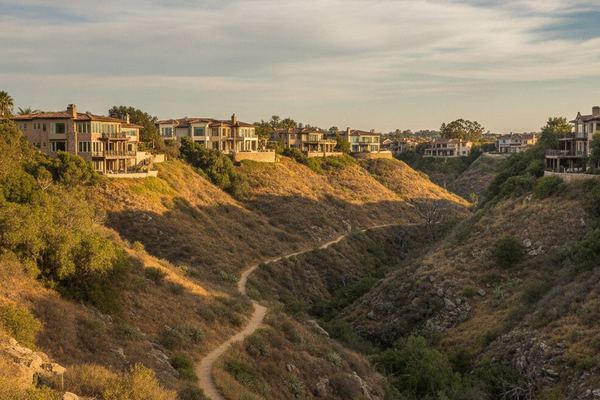
Historic hillside homes above the bay and Old Town
Bankers Hill
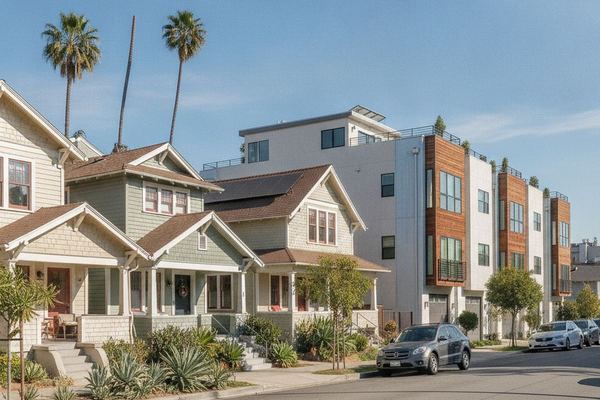
Victorian mansions and canyon bridges above Balboa Park
University Heights
Streetcar-era blocks on the mesa above Mission Valley
North Park
Craftsman blocks and busy corridors east of Balboa Park
Mission Valley
River floodplain turned San Diego's condo and retail corridor