Downtown San Diego packs several distinct districts, from the Gaslamp Quarter to the Marina District and Cortez Hill, into roughly a square mile and a half along the bay. Two condos with the same square footage a block apart can differ sharply in value because of floor height, view corridors, building age and HOA health, which is why sales here need careful reading.
The Downtown San Diego market
Downtown is the city's densest residential market and almost entirely an attached-housing one. Owners live in concrete high-rises along Harbor Drive and Pacific Highway, converted warehouse lofts in the Gaslamp, and mid-rise buildings around Cortez Hill and Columbia. The trolley, the Santa Fe Depot and the Coaster tie the area to the rest of the county, and the San Diego Convention Center, Seaport Village and the Embarcadero shape foot traffic and noise on the waterfront side. For an appraiser, the main job is matching like with like. Floor level, exposure, unit position in the stack, parking count and amenity package all move value, and building-level conditions such as reserves, litigation or pending special assessments can outweigh any of them. Sales inside the same tower are the strongest evidence when they exist.
How Downtown San Diego took shape
Alonzo Horton bought about 800 acres beside the bay in 1867 and laid out New Town, which pulled the city's center away from Old Town. The Stingaree and Gaslamp blocks grew rough in the early 1900s, then fell into decline after World War II. The city formed the Centre City Development Corporation in 1975 to steer redevelopment, Horton Plaza opened in 1985, and the Gaslamp was restored block by block. A wave of residential towers followed in the 2000s, and that construction has continued in phases since.
Homes and housing stock
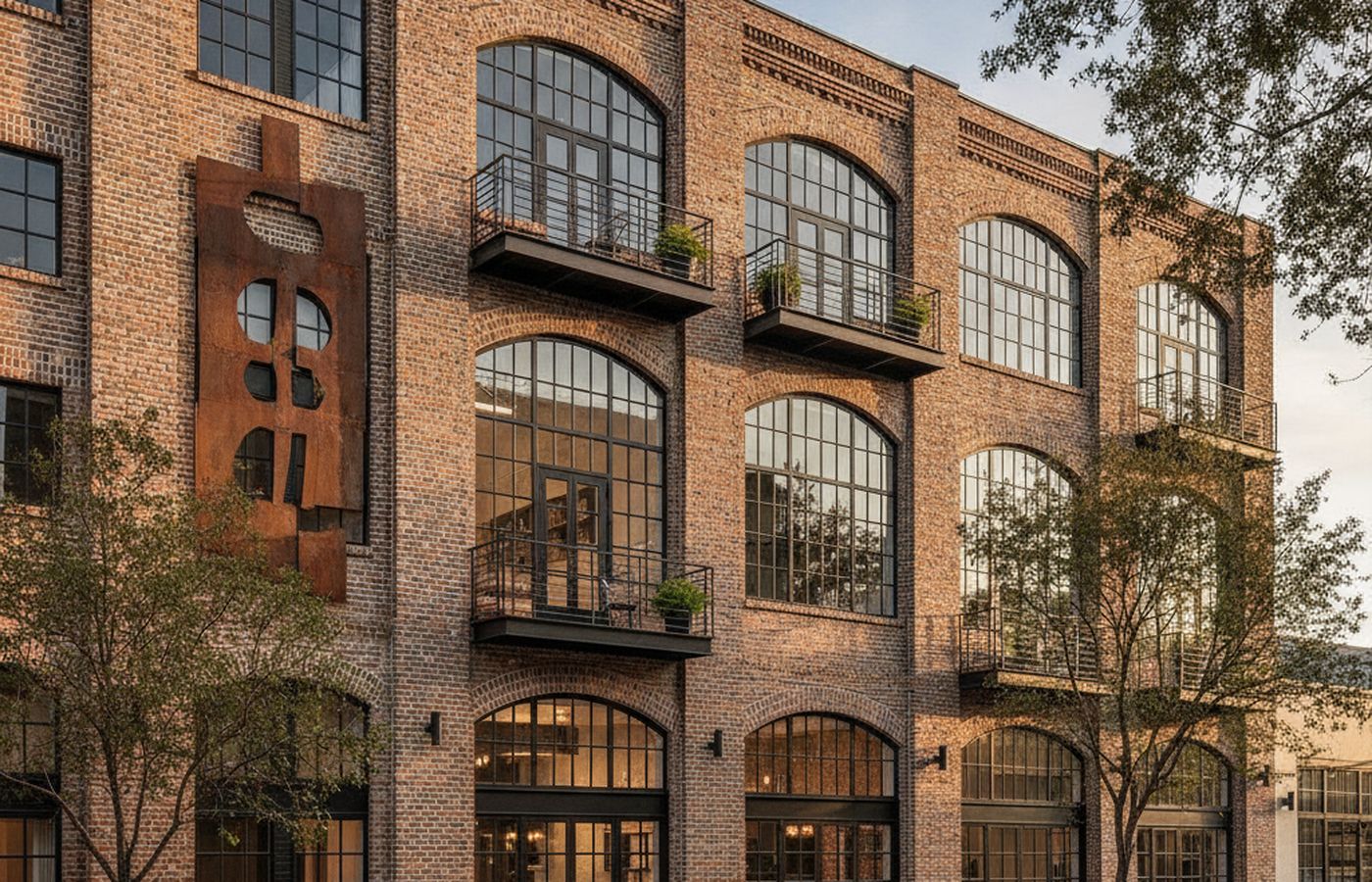
Nearly every residential sale downtown is a condominium or a loft. The oldest stock is in rehabilitated commercial buildings in the Gaslamp, along with the El Cortez on Cortez Hill, a 1927 hotel later converted to condominiums. The Marina District has low- and mid-rise complexes from the 1980s and 1990s, many with townhome-style units and courtyards. Most of the inventory dates from the 2000s and later: glass and concrete towers with amenity decks, concierge service and deeded or assigned parking. Units run from studios of a few hundred square feet to large penthouses. Detached houses are rare enough that a single-family sale downtown usually needs comparables from outside the area.
Pockets and enclaves
Gaslamp QuarterMarina DistrictColumbia DistrictCortez HillCore-Columbia and Civic Center blocksHorton Plaza area
Local landmarks
- Gaslamp Quarter Historic District
- Horton Plaza Park
- Seaport Village
- San Diego Convention Center
- Santa Fe Depot
- USS Midway Museum
What moves values in Downtown San Diego
Floor height and view
Bay, skyline and Coronado Bridge views depend on floor level and which way a unit faces, and a new tower can block a view that was there when the unit sold. Sales are adjusted by position in the stack, not just by square footage.
HOA dues and reserves
High-rise dues are high, and an underfunded reserve, a pending special assessment or construction-defect litigation affects what buyers will pay. Brian Ward reviews building documents when an assignment calls for it.
Parking and storage
Whether a unit has one deeded space, two tandem spaces or none makes a measurable difference downtown. The count and type of parking is confirmed rather than assumed.
Airport approach
Planes landing at San Diego International descend directly over downtown, and federal height limits shaped the skyline. Units on the flight path get more aircraft noise than those a few blocks away.
Short-term rental limits
The city's short-term rental ordinance and many HOA bylaws restrict nightly rentals. Those restrictions are factored in when income potential comes up in pricing or a dispute.
Appraisal assignments here
Downtown condos come up often in divorce and estate cases, because many owners bought them as pied-a-terres or investment units and the unit has to be valued separately from the primary home. Trust administrators use date-of-death appraisals to set a stepped-up basis on towers bought during the first boom years. Pre-purchase reviews are common when a buyer is weighing a building with a pending assessment. Property tax appeals come up after periods when tower resale prices softened while assessed values stayed tied to the original purchase price.
Downtown San Diego appraisal questions
Can an appraiser use sales from a different downtown tower?
Yes, but with adjustments. Brian Ward starts with resales in the same building, since they share dues, amenities, construction quality and location. When there are not enough of those, he uses comparable towers nearby and adjusts for building age, amenity level, floor and view, and any difference in HOA condition that buyers clearly pay for.
Does a pending special assessment change a condo's appraised value?
It can. If the assessment has been approved but not yet paid, a buyer would normally expect the price to cover it, so recent sales in that building may already show the discount. The appraisal identifies the assessment, explains how the sales account for it, and notes whether the seller or buyer was responsible for paying it in each comparable.
Nearby
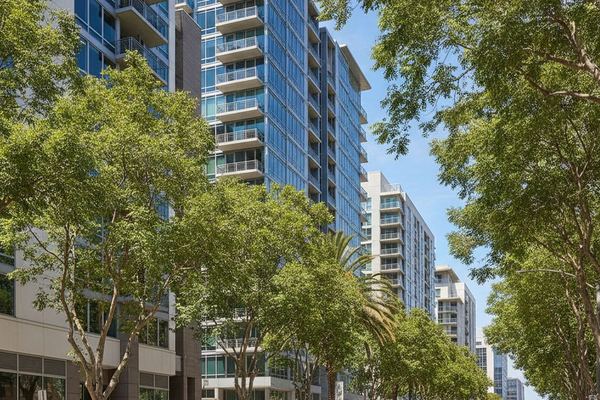
Little Italy
Old fishing quarter turned dense urban village

East Village
Ballpark blocks and former warehouses east of the Gaslamp
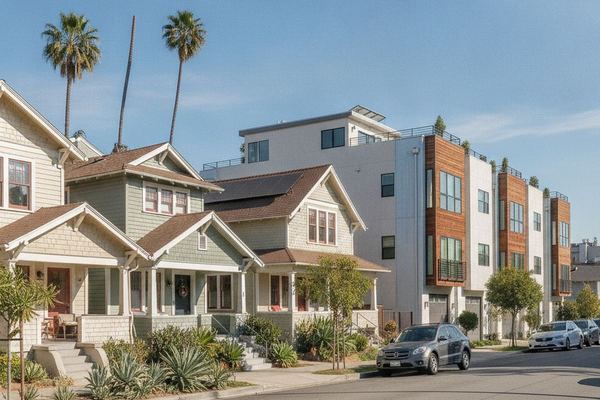
Bankers Hill
Victorian mansions and canyon bridges above Balboa Park
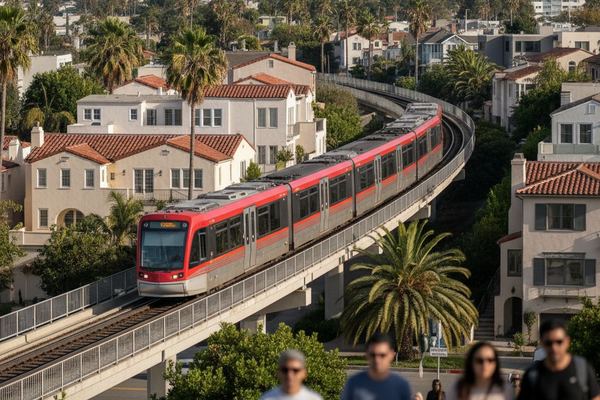
Golden Hill
Victorian-era ridge overlooking downtown and the bay
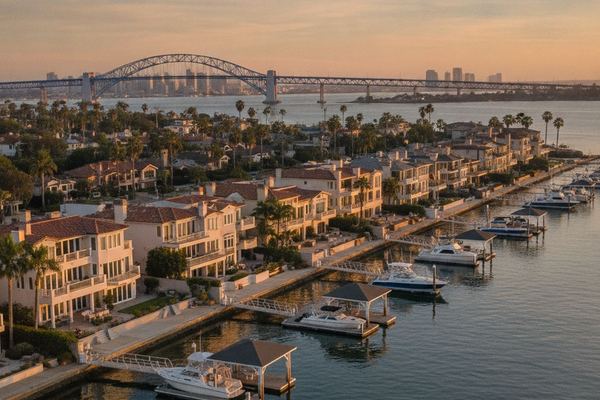
Barrio Logan
Chicano Park murals beside the working waterfront
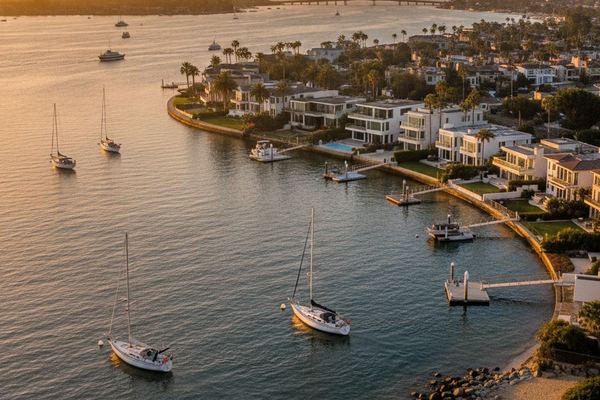
Coronado
Island-style village of historic homes and naval aviation