Logan Heights is one of San Diego's oldest residential neighborhoods, with Victorian and Craftsman homes alongside postwar infill on blocks just east of downtown. Condition and lot use vary widely from house to house, so comparable selection and adjustments need close attention.
The Logan Heights market
Logan Heights lies southeast of downtown, bounded roughly by Interstate 5, State Route 94 and Interstate 15, with Imperial Avenue and Logan Avenue among its main streets. It sits within the Southeastern San Diego planning area and includes sub-areas such as Grant Hill, Stockton and Memorial. Many blocks retain late 1800s and early 1900s homes, some carefully restored and others in need of major repair. Small apartment buildings and newer infill units are mixed in. The neighborhood has deep roots as a center of San Diego's Mexican-American community. Proximity to downtown, trolley access and the City's ADU incentives have increased investor interest. Brian Ward pays close attention to each property's unit count, permit history and condition because those factors drive much of the spread in sales.
How Logan Heights took shape
Logan Heights developed in the 1880s as one of San Diego's first suburbs, named for Civil War general and congressman John A. Logan. Streetcar lines connected it to downtown, and Victorian and Craftsman homes filled its blocks. In the early 1900s, Mexican immigrants settled here in growing numbers. Freeway construction in the 1960s, including Interstate 5 and the Coronado Bridge approaches, divided the neighborhood and separated the area now known as Barrio Logan. Later decades brought infill apartments and community revitalization efforts.
Homes and housing stock
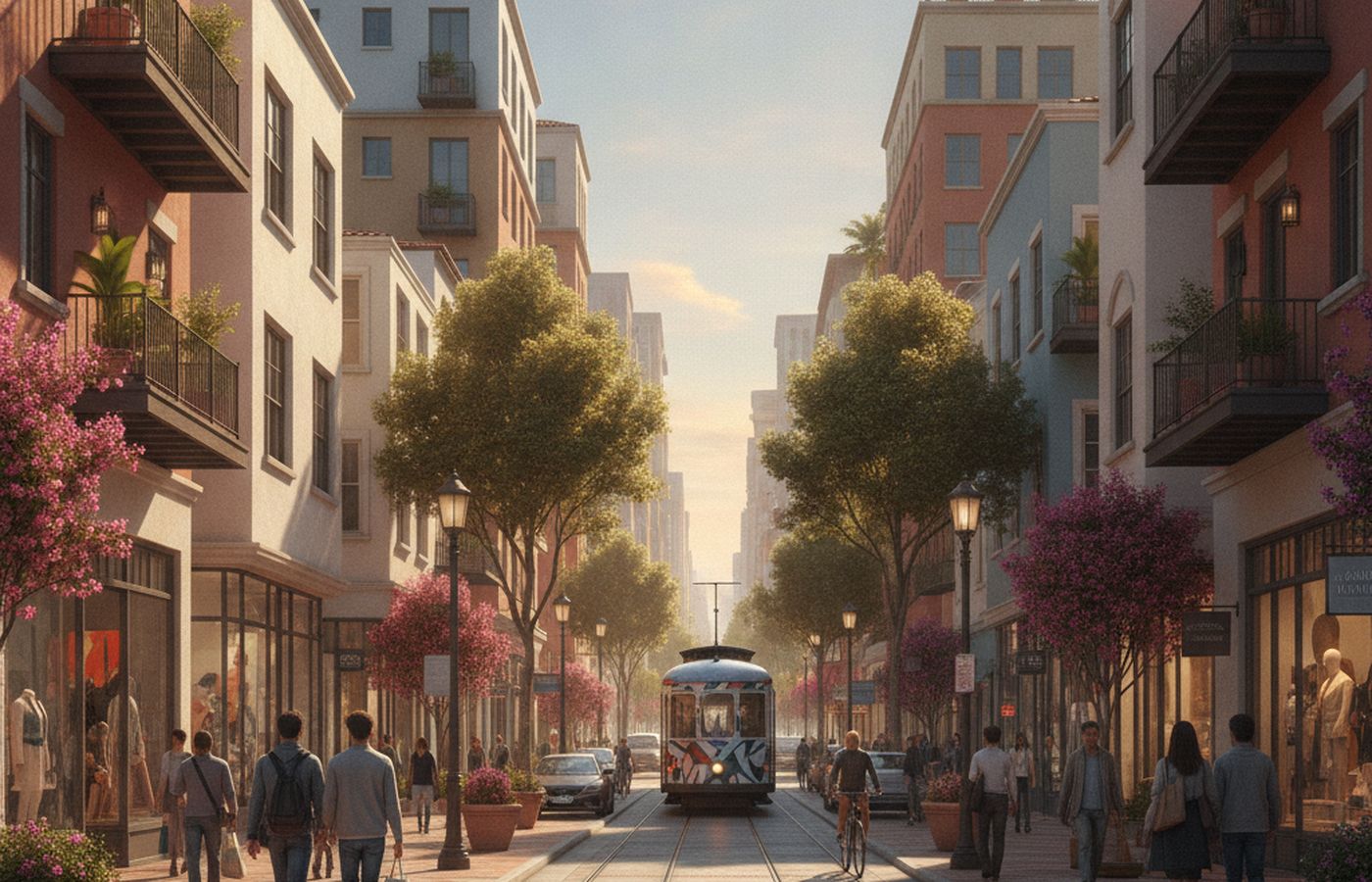
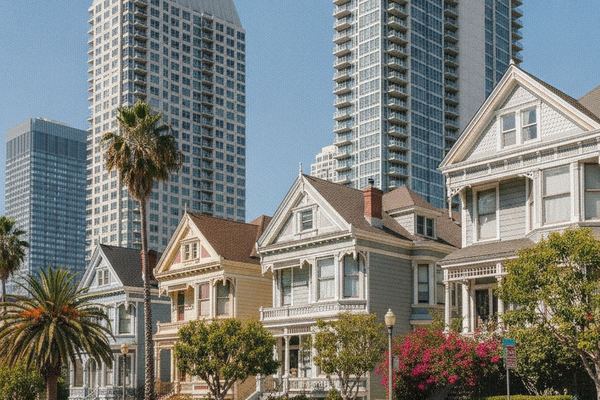
The housing stock includes Victorian, Queen Anne and Craftsman homes from the 1880s through 1920s, Spanish Revival cottages from the interwar years, postwar stucco homes and small apartment buildings. Lots are typically standard urban parcels, many holding a front house plus one or more rear units. Some large older homes have been divided into apartments over time. Newer infill includes detached ADUs and small multifamily projects near transit. Homes are generally modest, often under 1,500 square feet, though larger Victorians stand on some blocks. Condition ranges from fully restored to properties needing substantial work.
Pockets and enclaves
Grant HillStocktonMemorialImperial Avenue corridorLogan Avenue corridor
Local landmarks
- Our Lady of Guadalupe Church
- Logan Heights Branch Library
- Memorial Preparatory for Scholars and Athletes
- Grant Hill Park
- Imperial Avenue
What moves values in Logan Heights
Condition variance
Adjacent homes can range from restored to uninhabitable, so condition adjustments must be supported by local sales.
Multiple units and permits
Many lots hold more than one unit. Permit status determines how much value each unit contributes.
ADU and infill potential
Transit access and City ADU incentives can add value to lots with room for additional units.
Freeway proximity
Homes near Interstate 5, State Route 94 or Interstate 15 face noise and air quality concerns.
Historic character
Older homes with intact architecture may draw a premium or qualify for historic designation.
Appraisal assignments here
Multigenerational ownership is the norm on many Logan Heights blocks, so date-of-death and trust appraisals make up a large share of the work, along with parent-to-child transfers. Heirs often need a pre-sale value before answering investor offers that arrive unsolicited. Divorce cases here commonly involve a lot with a front house and rear units, where legal unit count changes the answer. Bankruptcy appraisals also arise and must reflect actual condition on the filing date.
Logan Heights appraisal questions
How are multi-unit properties in Logan Heights valued?
Brian Ward checks City permit records to confirm which units are legal, then compares the property with sales of similar multi-unit lots nearby. Unpermitted units receive limited credit because a buyer takes on the risk of legalizing or removing them. The report explains the treatment so readers understand how each unit affects value.
Does an older Victorian need full restoration to be valued fairly?
No. The appraisal values the home in its actual condition as of the effective date, using comparables in similar condition or adjusting for differences. Restored Victorians and fixer properties are compared carefully, with condition documented in photographs, to avoid overstating a home that needs work or understating one that has been restored.
Nearby
Barrio Logan
Chicano Park murals beside the working waterfront
Sherman Heights
Victorian historic district minutes from downtown
Southcrest
Tract homes along a freeway that never came
Golden Hill
Victorian-era ridge overlooking downtown and the bay
Downtown San Diego
High-rise towers, historic blocks and the working bayfront