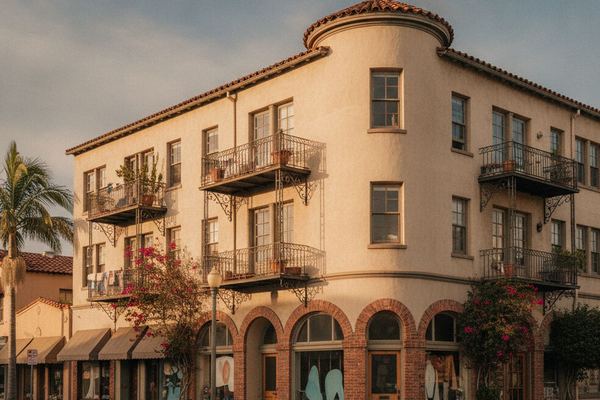
Encanto spreads over hills and creek valleys in southeastern San Diego, with postwar homes on lots that are often larger and more irregular than in neighborhoods closer to downtown. Topography, lot usability and location along busy corridors shape value from street to street.
The Encanto market
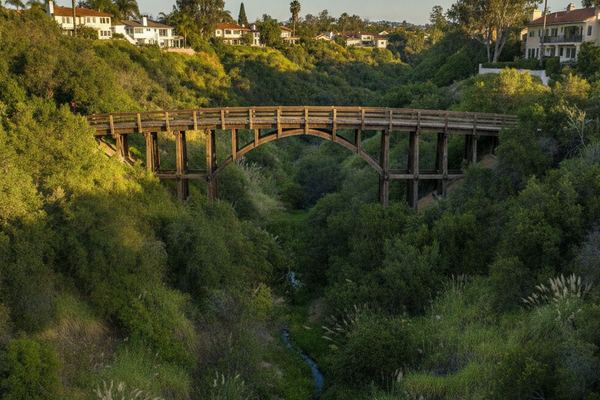
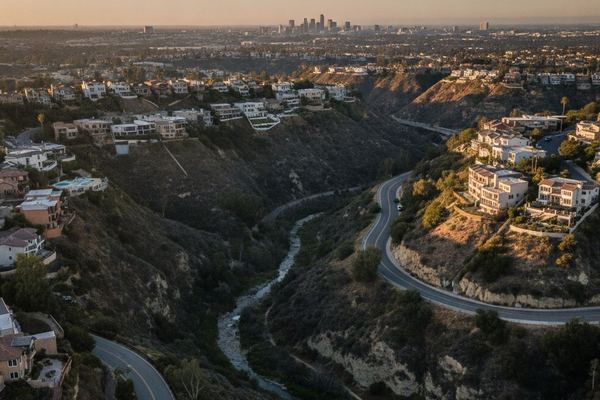
Encanto sits east of Emerald Hills and Valencia Park, south of State Route 94, and west of the Lemon Grove city line, with O'Farrell to the south. Its name means charm in Spanish, and the terrain is hilly, cut by branches of Chollas Creek. Imperial Avenue and Market Street carry commercial activity, and the Encanto/62nd Street trolley station connects the area to downtown and East County. Housing is mostly low-density single-family homes, with some on large lots that hold animals or room for additional units. Nearby, the Village at Market Creek brought shopping and community facilities to the Euclid Avenue area. Values vary with slope, street access and proximity to busier roads. Brian Ward pays close attention to usable lot area and any additional structures when comparing Encanto homes.
How Encanto took shape
Encanto began as a semi-rural area in the early 1900s, with small farms, orchards and scattered homes on large parcels east of the city. Streetcar and later road access brought gradual residential growth. Most of the current housing was built after World War II, when tract homes and custom houses filled the hills. For decades, restrictive covenants elsewhere in San Diego steered many Black families toward southeastern neighborhoods including Encanto. Later decades saw community investment projects along the Chollas Creek corridor and near Market Street.
Homes and housing stock
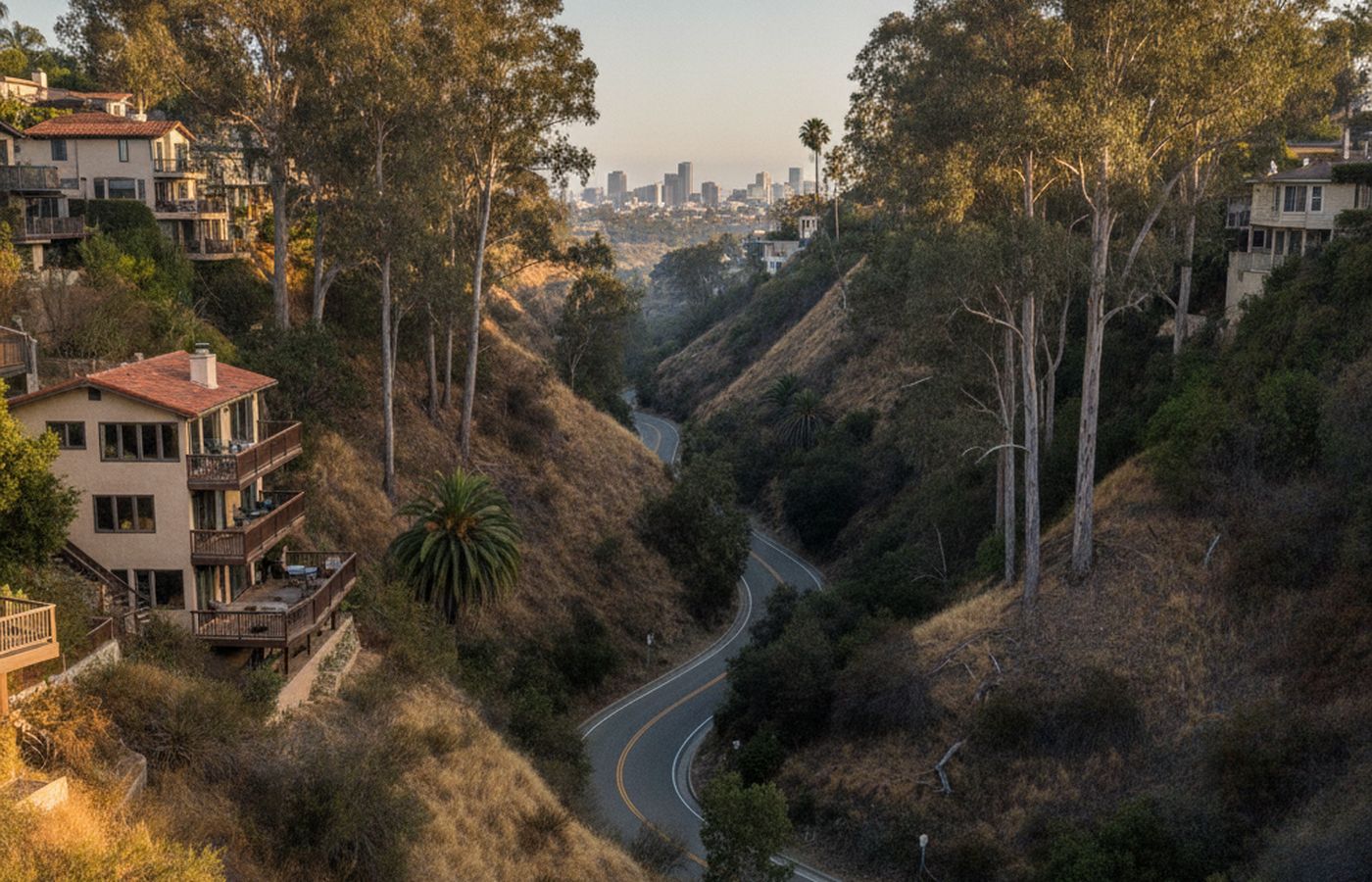
Most homes are detached single-family houses from the 1940s through 1960s, including ranch homes and stucco tract houses, with some older homes from the 1920s and 1930s on former farm parcels. Lots vary widely, from standard tract parcels to larger semi-rural lots, some with steep slopes or canyon frontage. Many properties have added units, garages converted to living space or accessory structures. Homes typically range from about 1,000 to 1,800 square feet. Condominiums and apartments are limited and mostly sit near Imperial Avenue and Market Street. Some hillside homes have views toward the bay or downtown.
Pockets and enclaves
Broadway HeightsEmerald HillsValencia ParkO'FarrellImperial Avenue corridor
Local landmarks
- Encanto/62nd Street Trolley Station
- Chollas Creek
- Village at Market Creek
- O'Farrell Charter Schools
- Imperial Avenue
What moves values in Encanto
Lot size and usability
Large or steep lots can add value if usable, but steep canyon frontage may add little.
Added units and permits
Many homes have added units or converted garages. Permit status affects how much value they contribute.
Corridor proximity
Homes on Imperial Avenue or Market Street face more traffic than interior streets.
Canyon and creek frontage
Chollas Creek branches create floodplain and slope considerations on some lots.
Views from hillsides
Some higher lots have distant views that can add value.
Appraisal assignments here
Larger Encanto lots invite questions that call for an appraisal: whether an added unit or animal-keeping parcel carries value the assessor or a spouse missed. Family transfers and estate appraisals are frequent because many homes have stayed with the same families since the 1960s and 1970s. Bankruptcy filings and property tax appeals also come up, and both depend on documenting actual condition and usable lot area as of a specific date.
Encanto appraisal questions
How are large Encanto lots valued compared with standard tract lots?
Brian Ward compares the property with sales of similar lot sizes where possible, and considers how much of the lot is usable. Steep or canyon land may add little value, while flat usable land can add more. The report explains the adjustment.
Do converted garages add value in Encanto?
Permitted conversions generally add living area value, though buyers may pay less per square foot for converted space than for original rooms. Unpermitted conversions receive limited credit because the buyer assumes the cost of legalizing or reversing them. Brian Ward checks permit history and explains the treatment and any adjustment in the report.