City Heights covers a large mesa between North Park and the College Area, divided by Interstate 15 and cut by canyons that feed Chollas Creek. Bungalows, apartment complexes and small multi-unit lots sit side by side, so value depends heavily on the specific lot, its legal unit count and the block it is on.
The City Heights market
City Heights is one of San Diego's most populous and diverse neighborhoods, home to long-established Latino, Vietnamese, East African and other immigrant communities. University Avenue and El Cajon Boulevard carry most of the commercial activity, and the City Heights Urban Village around Fairmount Avenue includes the Weingart City Heights Library and the Mid-City police station. Interstate 15 runs north-south through the middle, with Teralta Park built on a lid over the freeway and Rapid bus stations at freeway level. Housing is a mix of early bungalows, postwar homes and large numbers of 1960s to 1980s apartment buildings. For an appraiser, the main tasks are confirming legal unit counts, separating owner-occupant sales from investor sales, and accounting for canyon lots, freeway proximity and block-to-block differences across a large area.
How City Heights took shape
The area was incorporated in 1912 as the city of East San Diego, and residents voted to join San Diego in 1923. Streetcars on University Avenue and Adams Avenue supported early growth. Postwar zoning allowed dense apartment construction, and many single-family homes were replaced in the 1960s and 1970s. Interstate 15 was cut through the neighborhood in the following decades. Refugee resettlement from the 1970s onward brought new communities, and redevelopment around Fairmount Avenue in the 1990s and 2000s produced the Urban Village.
Homes and housing stock
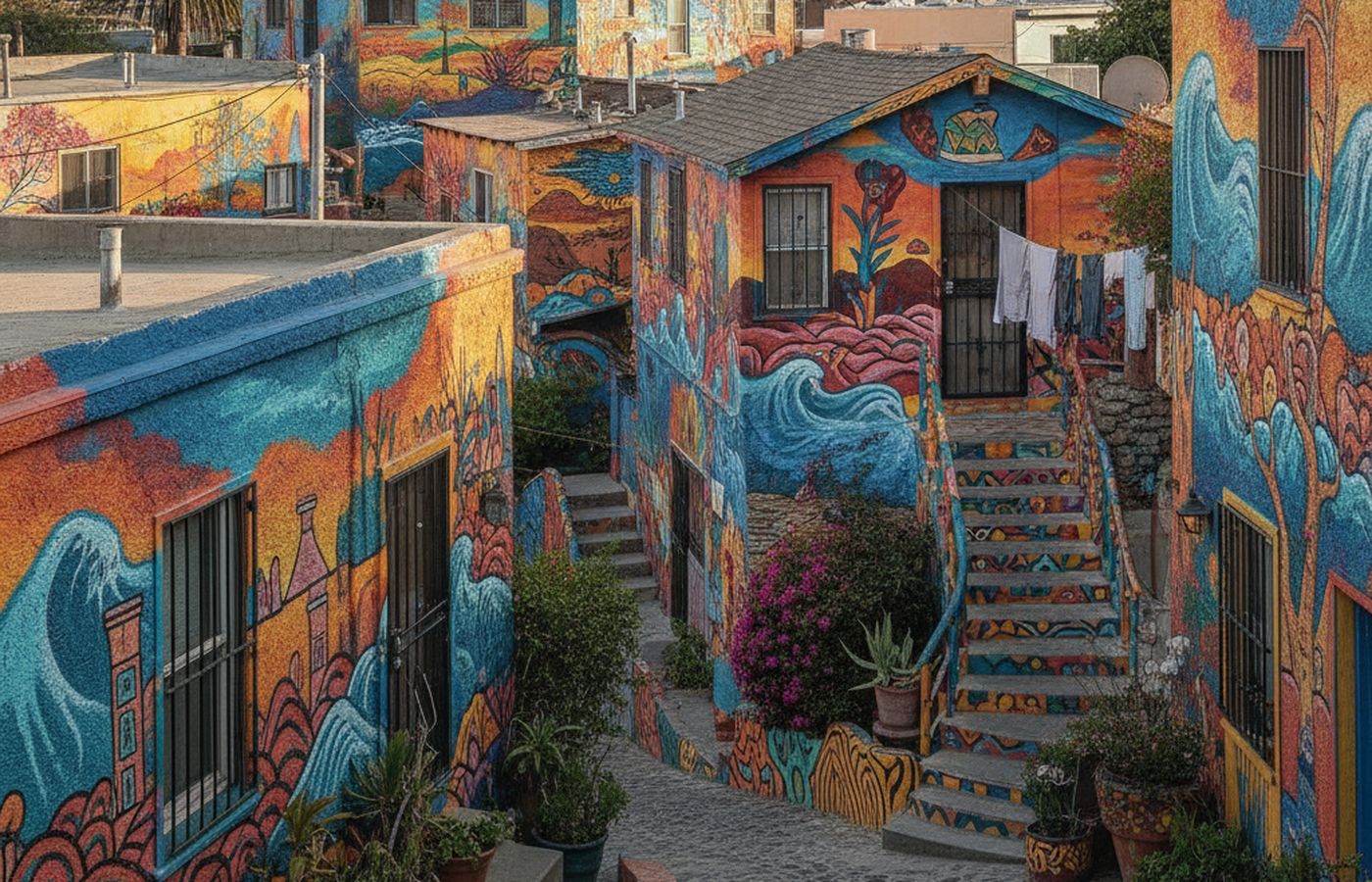
Single-family homes include 1910s and 1920s bungalows and Spanish Revival houses set on compact lots, plus postwar stucco homes in areas like Azalea Park and Fox Canyon. Many lots hold two to four units, either as original duplexes, added rear houses or more recent ADUs. Apartment complexes from the 1960s through the 1980s are common, especially near the main corridors. Condominiums and townhomes are limited but present, including some newer infill. Canyon-edge lots in areas like Swan Canyon and Azalea Park have more privacy and sometimes views. Homes are often under 1,300 square feet.
Pockets and enclaves
Azalea ParkHollywood ParkTeralta East and Teralta WestCherokee PointFairmount ParkIslenairCorridorFox Canyon
Local landmarks
- Hoover High School
- Weingart City Heights Library
- Teralta Park
- Colina del Sol Park
- City Heights Urban Village
- Chollas Creek
What moves values in City Heights
Legal unit count
Many lots have more units than permits show. Brian Ward confirms legal units because unpermitted ones affect value, income and risk.
Investor versus owner sales
Small multifamily properties often sell to investors based on income, while single-family homes sell to owner-occupants. Comparables are separated by buyer type and property use.
Freeway proximity
Homes near I-15 and SR-94 have traffic noise but quick transit access. Paired sales help measure the effect.
Canyon lots
Canyon edges can offer privacy or views but may limit usable area. Lot slope and access are considered.
Block-level variation
Conditions vary widely across City Heights. Comparables are chosen from nearby pockets with similar streets and housing.
Appraisal assignments here
Estate and trust appraisals are frequent because many families have owned homes or small rentals for decades and are passing them to the next generation. Divorce cases often involve rental properties or homes with second units. Family transfers between relatives, often among recent immigrant households pooling resources, are common and need a supported value. Partnership buyouts of small multifamily properties and bankruptcy cases also come up here.
City Heights appraisal questions
How are City Heights properties with extra units valued?
Brian Ward first confirms which units are permitted. Legal units are valued using comparable sales and, when appropriate, rental income. Unpermitted units are reported but not treated as legal units, and the appraisal considers how buyers respond to them and the cost or risk of legalizing them.
Are sales from different parts of City Heights interchangeable?
Not always. City Heights is large, and conditions differ between pockets such as Azalea Park, Hollywood Park and areas near the freeway. The appraisal uses the closest similar sales and adjusts for location only when market data shows a real difference between pockets.
Nearby
North Park
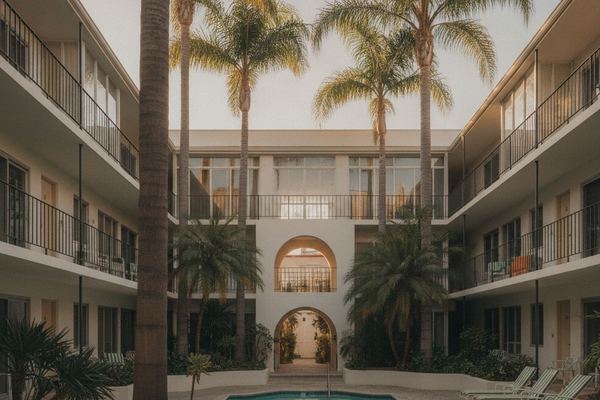
Craftsman blocks and busy corridors east of Balboa Park
Normal Heights
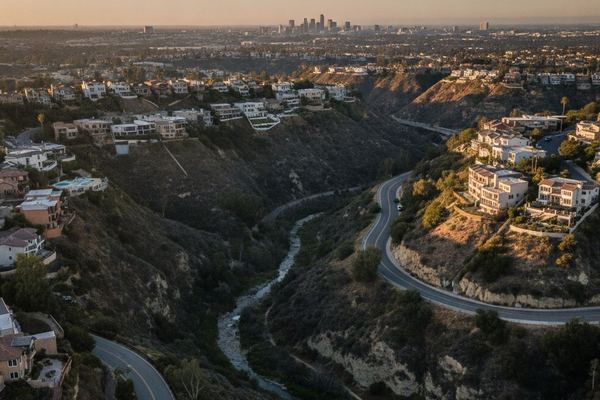
Adams Avenue bungalows on the Mission Valley rim

Kensington
Spanish Revival streets on a canyon-bound mesa
Talmadge
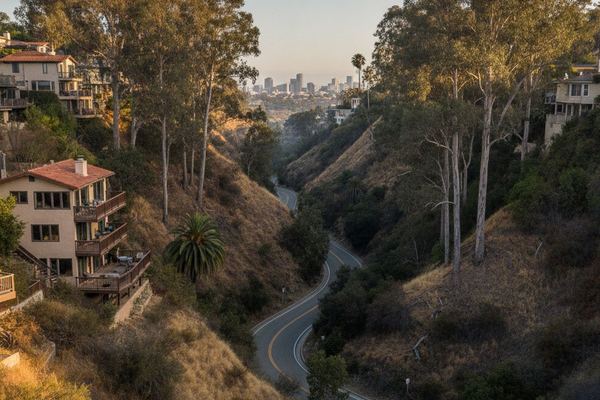
1920s tract named for silent film stars
Oak Park
Canyon-edged postwar streets surrounding Chollas Lake Park
South Park
Canyon-edge bungalows beside the Balboa Park golf course