University City pairs 1960s and 1970s single-family streets with a dense core of condominiums around Westfield UTC and the UC San Diego campus edge. Two homes a mile apart can sit in completely different submarkets, which is why comparable selection here takes more than a ZIP code search.
The University City market
University City sits on the mesa between Rose Canyon and the San Clemente Canyon corridor, bounded roughly by Interstate 5 on the west and Interstate 805 to the east, with Marine Corps Air Station Miramar beyond. The area divides naturally in two. South University City, below Rose Canyon, is mostly detached homes on quiet loop streets off Governor Drive. North University City, around the UTC shopping district and the La Jolla Village Drive corridor, is built far more densely, with condominium towers, garden-style complexes and townhome projects. The Mid-Coast extension of the UC San Diego Blue Line trolley, opened in 2021, added stations along Genesee Avenue and at UTC. Demand comes from university faculty and staff, biotech and defense employees, medical professionals and investors buying near campus, and each group shops a different slice of the housing stock.
How University City took shape
Before the 1960s the mesa was largely open land used for grazing and military training. The opening of UC San Diego in 1960 and the planning of a university-centered community drew builders to the area, and tract construction in South University City ran through the 1960s and early 1970s. Westfield UTC opened in 1977, and the northern half filled in during the 1980s and 1990s with condominiums, apartments and office buildings tied to the research economy on Torrey Pines Mesa. More recent growth has been high-density housing near the trolley line.
Homes and housing stock
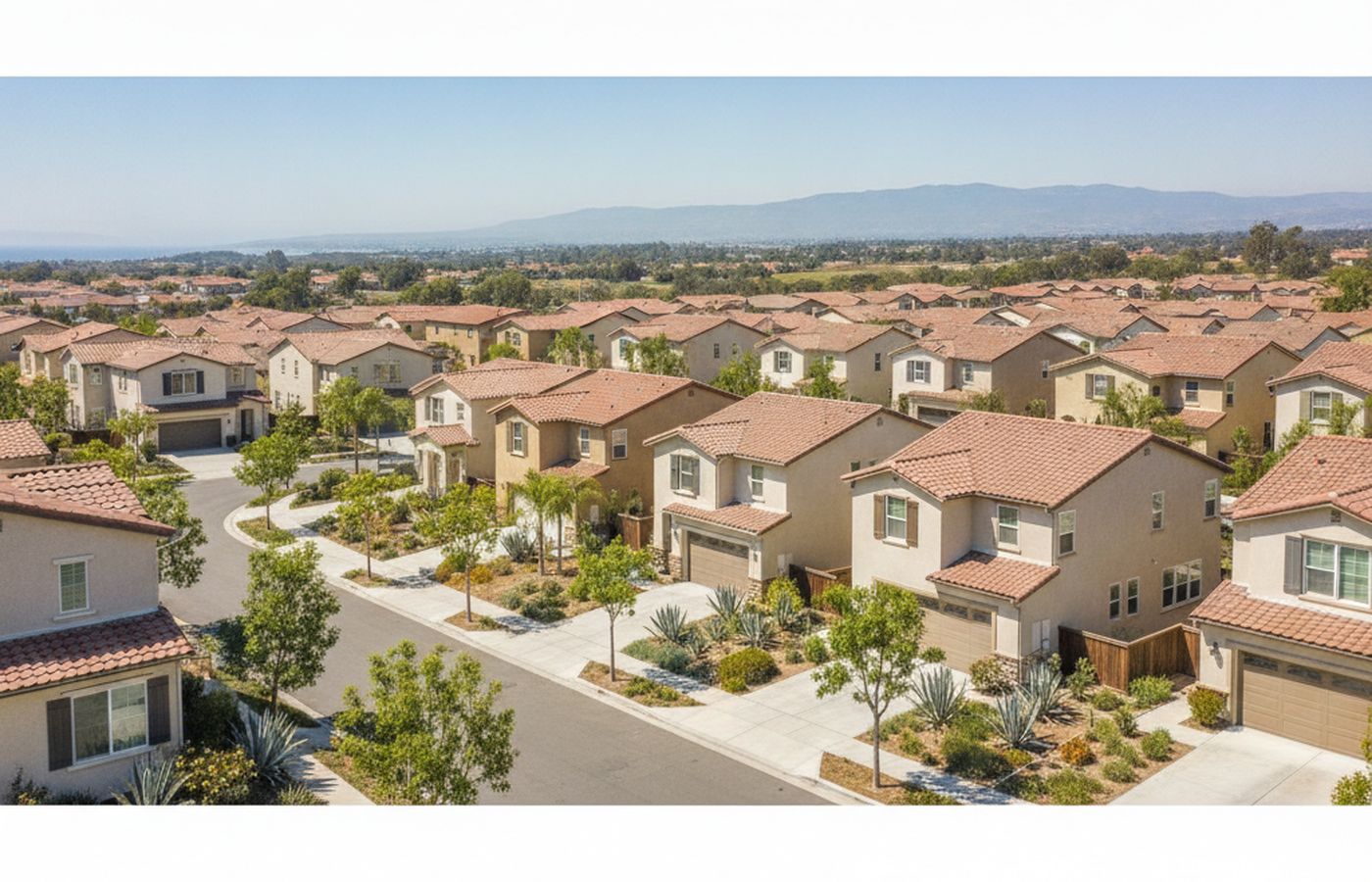
South University City is dominated by single-story ranch homes and split-level and two-story tract houses from the 1960s and early 1970s, generally three to four bedrooms on standard suburban lots, with many expanded or remodeled over the decades. Some streets back onto Rose Canyon or San Clemente Canyon, producing deeper lots with open-space views. North University City is a condominium market: mid-rise and high-rise towers near UTC, 1980s and 1990s garden condos and townhomes off Regents Road, Nobel Drive and Genesee Avenue, plus planned developments like La Jolla Colony and Costa Verde. Unit size, floor level, parking, HOA reserves and building age vary widely between complexes, so project-level comparables matter.
Pockets and enclaves
South University CityNorth University CityLa Jolla ColonyCosta VerdeRegents ParkGovernor Drive corridor
Local landmarks
- Westfield UTC
- Rose Canyon Open Space Park
- Marian Bear Memorial Park (San Clemente Canyon)
- Standley Community Park
- University City High School
- UC San Diego Blue Line trolley stations
What moves values in University City
Canyon-edge lots
Homes backing onto Rose Canyon or San Clemente Canyon often trade at a premium for privacy and outlook, but slope setbacks and brush-management requirements can limit additions.
Miramar flight activity
Parts of University City fall within the airport influence area for MCAS Miramar, and noise exposure varies by street, so comparables are best drawn from similar positions relative to the flight tracks.
Condo project differences
HOA dues, reserve health, special assessments and rental restrictions differ sharply between complexes near UTC, which can move value more than square footage does.
Remodel vs. original
South UC tracts range from largely original 1960s interiors to full rebuilds with second stories, so condition and quality adjustments carry real weight.
Trolley proximity
Walking distance to the Blue Line stations is a growing amenity for condo buyers and students, while homes directly on Genesee Avenue or near the tracks can see traffic and noise effects.
Appraisal assignments here
Date-of-death and trust appraisals are common in South University City, where many homes have been owned by the original buyers or their families since the 1960s and 1970s. Retrospective values for stepped-up basis need careful handling of condition because so many of these houses are unrenovated. Divorce appraisals frequently involve condominiums near UTC, and parents who bought units for students at UC San Diego often need values for family transfers or later sales.
University City appraisal questions
Are South University City and North University City appraised with the same comparables?
Usually not. The south side is mostly detached single-family homes, while the north side is primarily condominiums and townhomes with different buyer pools. Brian Ward generally draws comparables from the same half of the community and, for condos, from the same or a closely matched complex, because HOA costs and amenities differ widely.
Does the trolley change values for nearby condominiums?
It can, though the effect depends on the building. Walkable access to a station is a selling point for renters and students, so investor demand may be stronger. Units facing the tracks or Genesee Avenue may carry more noise. The appraisal looks at actual sales near the stations rather than assuming a fixed premium.
Nearby
La Jolla
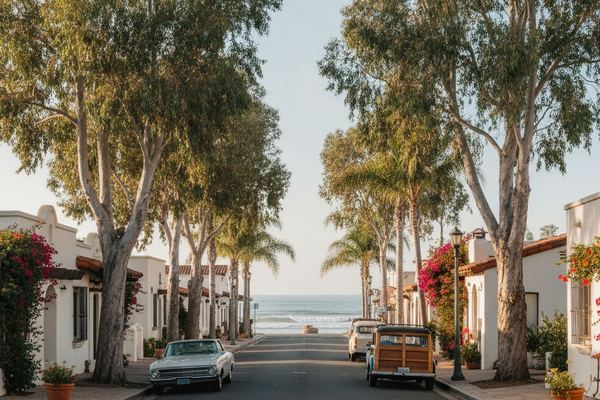
Cove, village and Mount Soledad slopes above the Pacific
La Jolla Shores
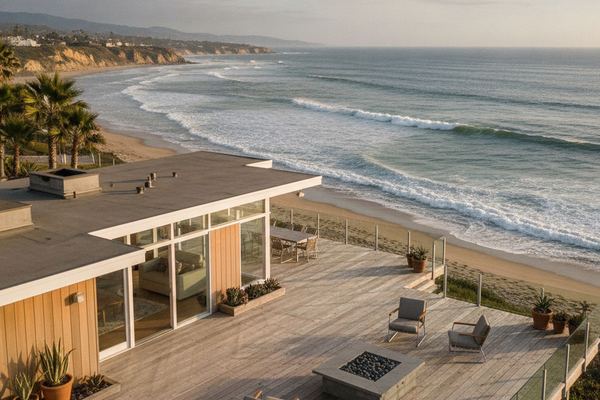
Gentle beach, Scripps Pier and mid-century family streets
Clairemont
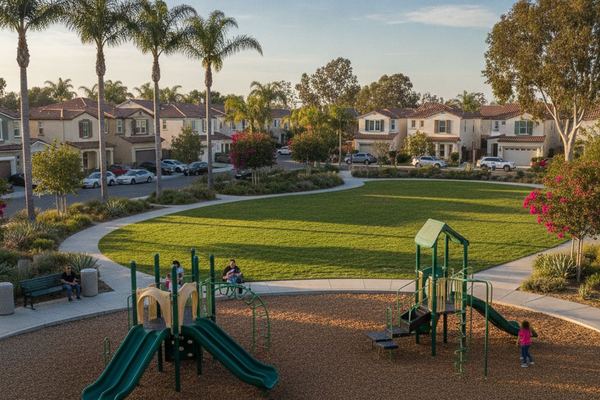
Postwar village within a city, split by canyons
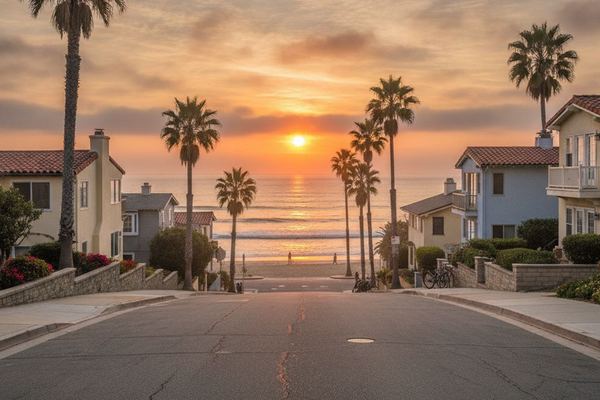
Torrey Pines
Coastal bluffs, lagoon edges and the Del Mar Heights grid
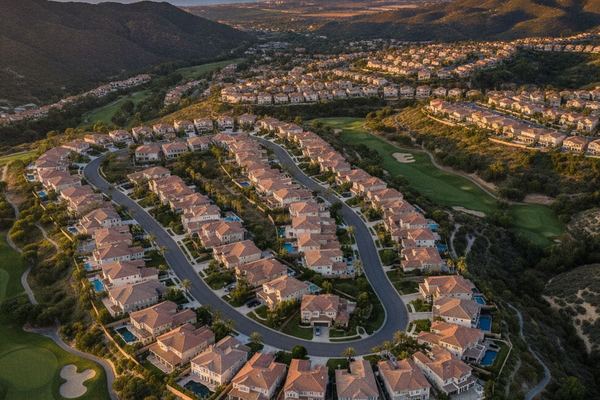
Mira Mesa
1970s tract mesa between Miramar and Los Peñasquitos Canyon
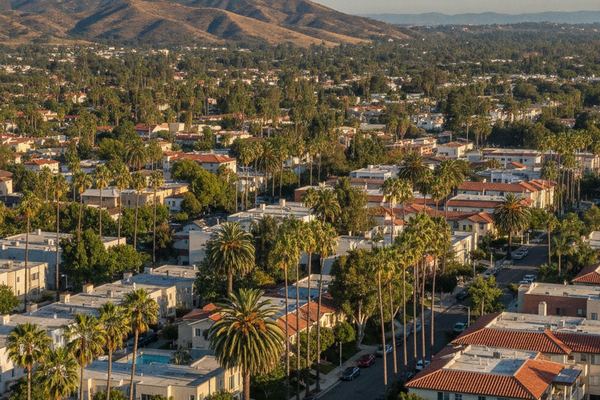
Kearny Mesa
Employment and dining hub with a small residential base