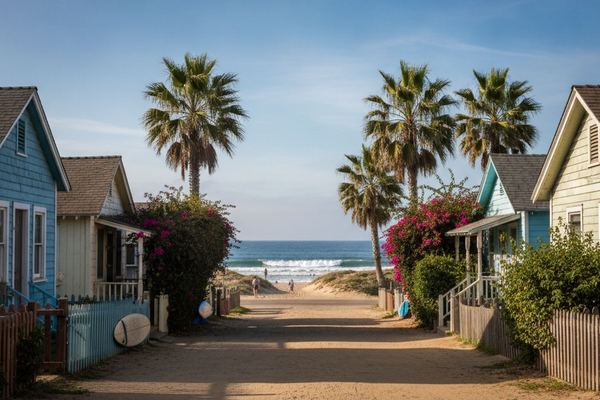
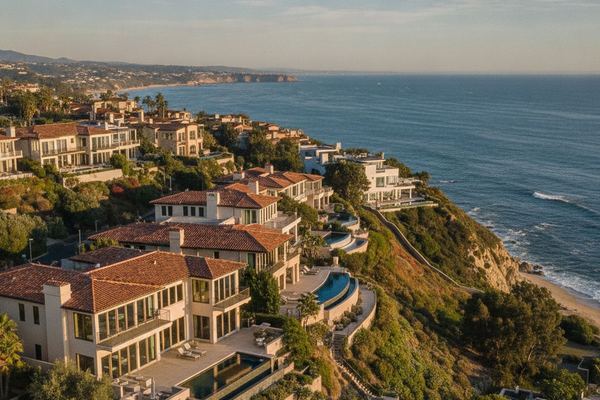
Ocean Beach mixes small 1920s cottages, apartment buildings and hillside view homes on a compact grid south of the San Diego River. Its resistance to chain stores and large buildings shapes the housing stock and limits what can be built, which affects land value.
The Ocean Beach market
Ocean Beach covers the low ground and hillside between the San Diego River flood channel and Point Loma Heights, west of Sunset Cliffs Boulevard and the hills of Point Loma. Newport Avenue runs to the sand and holds antique stores, surf shops and longtime bars, while the Ocean Beach Pier reaches out from the foot of Niagara Avenue. Dog Beach and Robb Field anchor the north end near the river. Residents have long fought high-rise and chain development, and the community plan reinforces a small-scale character. Lots are generally small and the housing ranges from beach shacks to recently rebuilt view homes on the bluffs and hillsides. Elevation and distance to the water change value block by block, and the large share of rental housing means many sales involve small income properties.
How Ocean Beach took shape
Billy Carlson and Frank Collier promoted Ocean Beach as a seaside resort in the late 1880s, and a streetcar line in the early 1900s brought day-trippers. The Wonderland amusement park opened in 1913 near the foot of Voltaire Street and closed within a few years. Small cottages filled the grid through the 1920s and 1930s, and apartment buildings followed after World War II. The current pier opened in 1966. Local opposition in the 1960s and 1970s to freeway access and taller buildings helped shape the community plan that governs development today.
Homes and housing stock
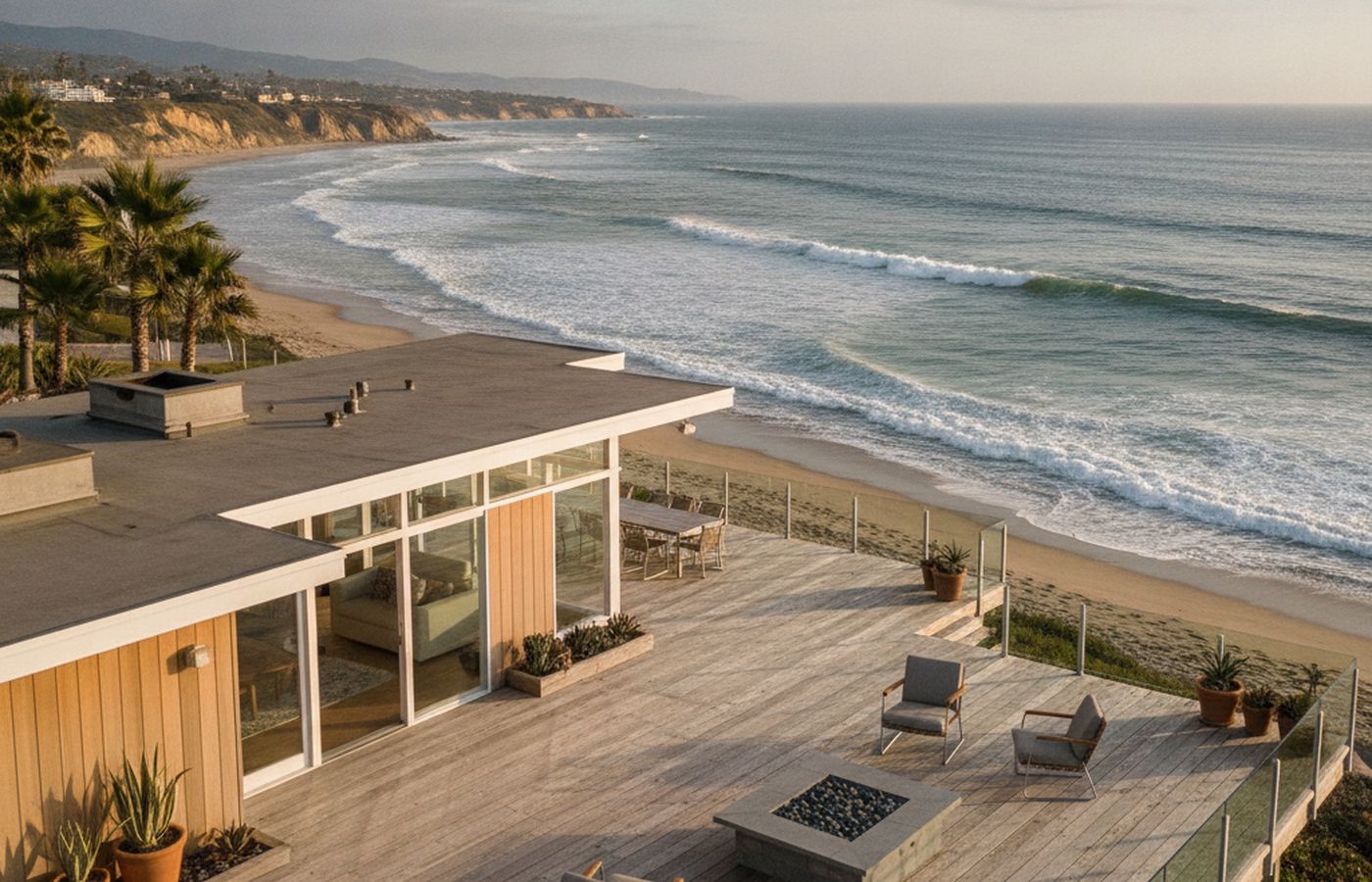
Much of the housing is small detached cottages and bungalows from the 1910s through 1940s on narrow lots, often with a second unit behind. The City has recognized a cluster of early cottages as an emerging historic district, and some older homes may face review before demolition or major alteration. Two- and three-story apartment buildings from the 1950s through 1970s are common in the flats. On the slopes toward Point Loma, postwar houses have been expanded or replaced to capture ocean views. The 30-foot coastal height limit applies throughout, and detached homes larger than about 2,000 square feet are uncommon.
Pockets and enclaves
North Ocean Beach near Dog BeachNewport Avenue coreVoltaire Street areaCollier Park hillsideBluffs above the Sunset Cliffs shorelineOcean Beach flats near Robb Field
Local landmarks
- Ocean Beach Pier
- Newport Avenue
- Dog Beach
- Robb Field
- Ocean Beach Elementary School
- Collier Park
What moves values in Ocean Beach
Ocean view elevation
Views open up quickly on the hillside streets, and an unobstructed view from a second story can separate otherwise similar homes. Paired sales are used where available.
Historic cottage review
Older cottages may fall within the emerging historic district or require historic review before demolition. That can limit redevelopment and change land value.
Small income properties
Many lots carry a front house and rear unit or small apartment building. Rent levels and unit legality drive value as much as condition.
Flood zone near the river
Low-lying blocks near the San Diego River flood channel can fall in mapped flood zones that affect insurance cost.
Coastal height limit
The 30-foot cap and small lots limit how much a buyer can add, so expansion potential is tied to existing footprint.
Appraisal assignments here
Estate and trust appraisals are frequent because many OB cottages have been held by original buyers or their families for decades. Family transfers between parents and children come up often for the same reason. Divorce and partnership disputes involving small rental buildings require separating unit count, rent and condition. Pre-sale appraisals help owners of older cottages decide whether to sell as-is or renovate first.
Ocean Beach appraisal questions
Does a rear unit add value to an Ocean Beach property?
A permitted rear unit generally adds value because it produces rent or housing for family. An unpermitted unit receives limited credit, and the appraisal notes it. Brian Ward checks permit history and compares the property with other OB lots that carry similar second units.
Can an older cottage in Ocean Beach simply be torn down?
Not always. Homes over 45 years old in the city can require historic review before a demolition permit, and some OB cottages fall within an emerging historic district. When redevelopment potential affects value, the appraisal considers those constraints rather than assuming a clean teardown.